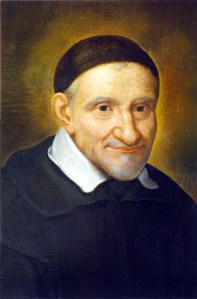
Vincent de Paul, 1581-1660 (Courtesy of Vincent de Paul Image Archive, DePaul University)

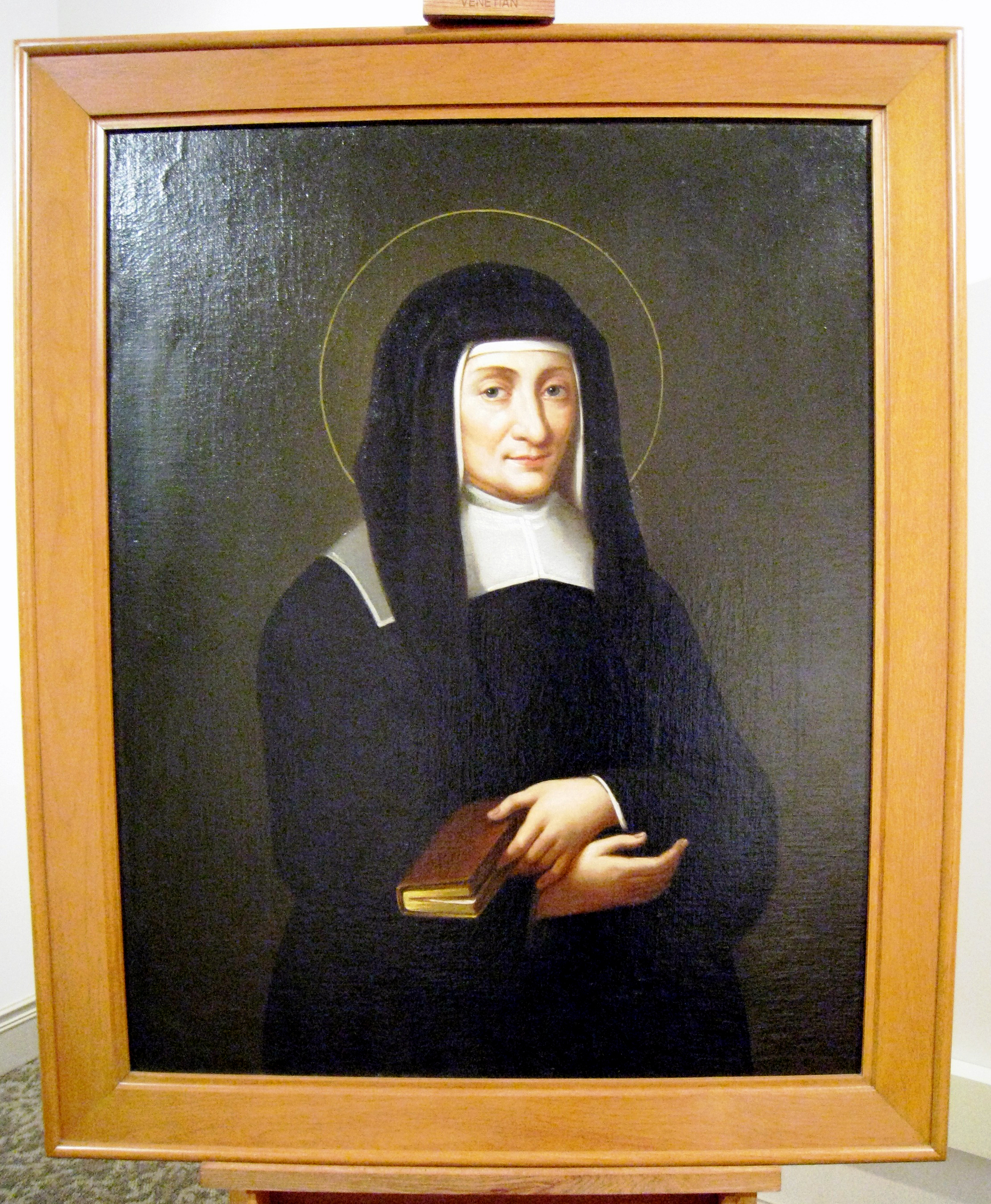
Louise de Marillac, 1591-1660 (Courtesy of Vincent de Paul Image Archive, DePaul University)
On this day: Louise de Marillac’s earliest letter to Vincent de Paul is dated June 5, 1627. The original letter resides in the Archives of the Daughters of Charity Mother House in Paris. The English text appears in both the collected works of Vincent and the collected works of Louise:
Vincent de Paul, Correspondence, Conferences, and Documents. Newly Translated, Edited, and Annotated from the 1920 Edition of Pierre Coste, C.M. Edited by Sr. Jacqueline Kilar, D.C., Translated by Sr. Helen Marie Law, D.C., Sr. John Marie Poole, D.C., Rev. James R. King, C.M., Rev. Francis Germovnik, C.M. Annotated by Rev. John W. Carven. C.M. (New York: New City Press 1985), Volume 1 (1607-1639), Letter #14, p.26-27.
Spiritual Writings of Louise de Marillac: Correspondence and Thoughts. Edited and Translated from the French by Sr. Louise Sullivan, D.C. (New York, New City Press, 1991). Letter #L.1, p.5-6: To Monsieur Vincent, June 5, 1627.
The translation below comes from the Spiritual Writings of Louise, translated by Sr. Louise Sullivan.
L.1 TO MONSIEUR VINCENT
June 5. 1627
Monsieur,
I hope that you will excuse the liberty I am taking in telling you how impatient I have become because of your long absence, troubled as I am about the future and by not knowing where you are or where you are going. It is true, Father, that I find some comfort in my trial from the thought of the business that is keeping you away, but that does not prevent the days from seeming like months for someone as lazy as I. However, I want to await calmly the hour of God, and I recognize that my unworthiness is delaying it.
I have been aware that Mademoiselle du Fay(note 1) has been more anxious than usual. We spent the Feast of Pentecost together. After services, she would have liked to confide in me but we remained open to and desirous of accomplishing the will of God. The work which your Charity gave me is finished. If the members of Jesus need it and you want me to send it to you, Father, I shall not fail to do so. I did not want to do this without your authorization.
At last, my Most Honored Father, after some worry, my son is placed in school(2). Thanks be to God, he is happy and is doing well there. If that continues, I shall be very relieved concerning him.
Allow me, Father, to bother you again about the 28 year old girl that they wish to send from Burgundy and confide to my care. From what I hear, she has a good background and is virtuous. Prior to this, the good blind girl from Vertus(3) had told me that her 22 year old companion might also come here. She has been under the direction of the Oratorians for the past four years and is a true country girl. I am not convinced that she wants to come but she has given me some assurance that she desires to do so.
I humbly implore you to tell me what I should do in this matter. The person who is going to Burgundy plans to leave Monday. Since I thought that you would be returning this week, I promised a reply.
For the past month our good God has permitted my soul to be unusually aware of Him, nevertheless I remain constantly in my imperfections. When I shall no longer place any obstacle in the way of the effects of the prayers which I hope to receive from your Charity, I believe I shall mend my ways. These past days I have greatly desired you to remember to offer me to God and to ask of Him the grace of accomplishing His holy will in me despite the opposition of my misery. Therefore, I most humbly supplicate you, Father, and ask your pardon for bothering you. By the goodness of God I remain, Father, your most grateful servant and unworthy daughter.
Notes
(1 – Sullivan, Louise Spiritual Writings) Mademoiselle du Fay, Lady of Charity of great devotion. Her paternal uncle, Rene Hennequin, married Marie de Marillac, one of Saint Louise’s aunts.
(2 – Vincent, Correspondence, v.1). Michel Le Gras, born October 19, 1613, intended to embrace the ecclesiastical state. To encourage the vocation of her son, Saint Louise had placed him in the seminary of Saint-Nicolas-du-Chardonnet, the college spoken of here, which had been founded and was directed by the austere and virtuous Adrien Bourdoise. Michel, however, caused his mother a great deal of anxiety by the instability of his character. He ultimately abandoned the cassock at the age of twenty-seven (1640). After ten years of wavering, on January 18, 1650, he married Demoiselle Gabrielle Le Clerc in the Church of Saint-Sauveur. Saint Vincent witnessed the marriage contract.
(3 – Vincent, Correspondence, v.1) A locality included today in the commune of Aubervilliers (Seine-Saint·Denis).




 docarchivesblog.org